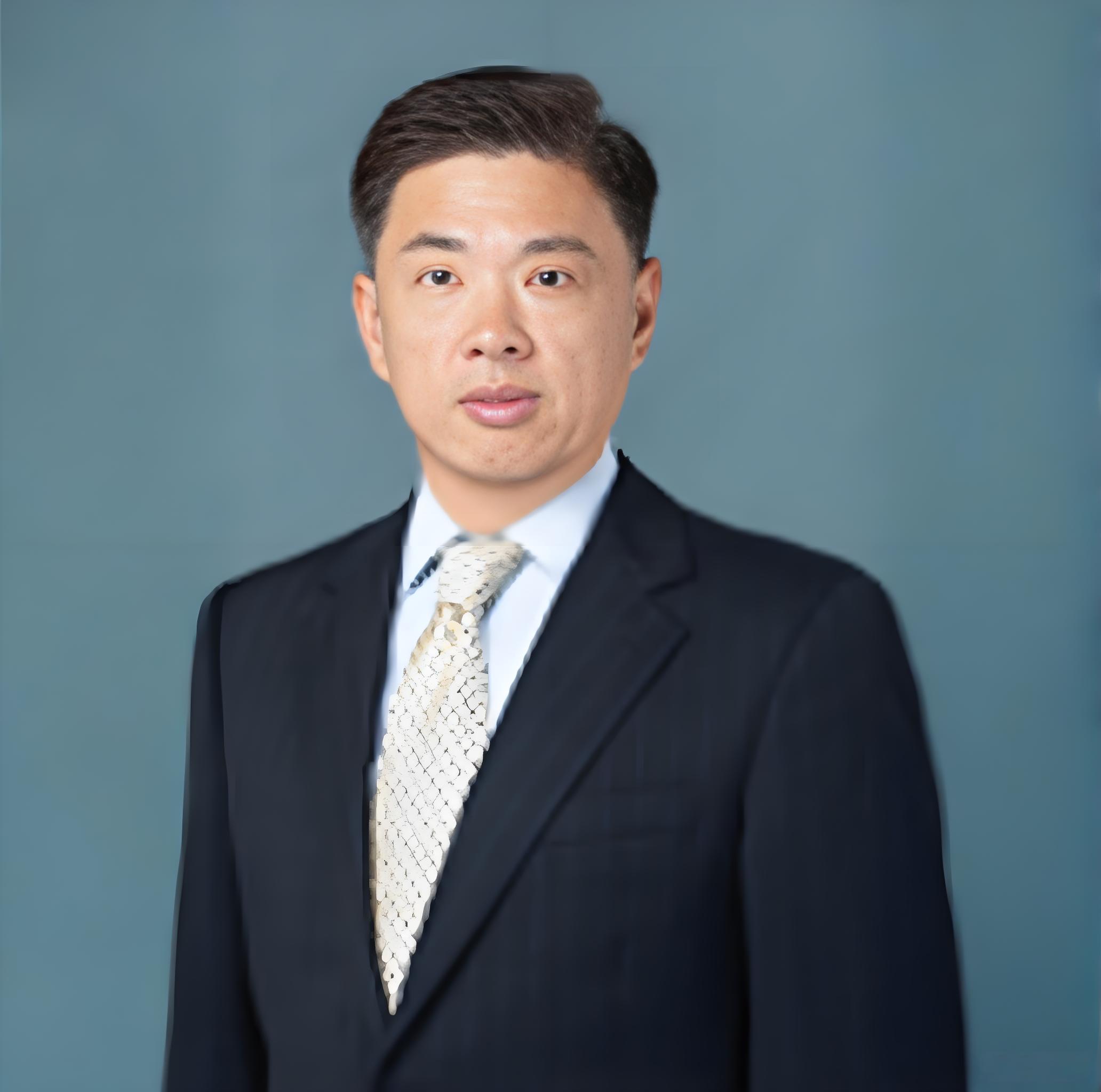
The director of the Institute of Finance and Artificial Intelligence at Ningbo University of Finance and Economics. He graduated from Peking University, Tsinghua University, and the California Institute of Technology in the United States, obtaining a bachelor's degree in mathematics, a master's degree, and a doctorate, respectively. He also holds an MBA from the Wharton School of the University of Pennsylvania. Dr. Li previously worked at Oracle's headquarters in Silicon Valley as a chief software engineer and later moved to Wall Street to engage in quantitative investment. He has worked at BMO, the renowned investment bank Lehman Brothers, DKR Capital Management, and Ellington Management Group, among others, developing hedge and quantitative fundamental trading models, managing proprietary trading businesses, and overseeing quantitative operations. He has served as a fund manager for several decades. In 2023, Dr. Li was selected for a national talent title by the Organization Department of the Central Committee of the Communist Party of China and the People's Bank of China and returned to China to work full-time. Dr. Li is proficient in quantitative trading strategies in finance and has a deep understanding of international asset management rules, making him a leading figure in the field of quantitative investment in China today.
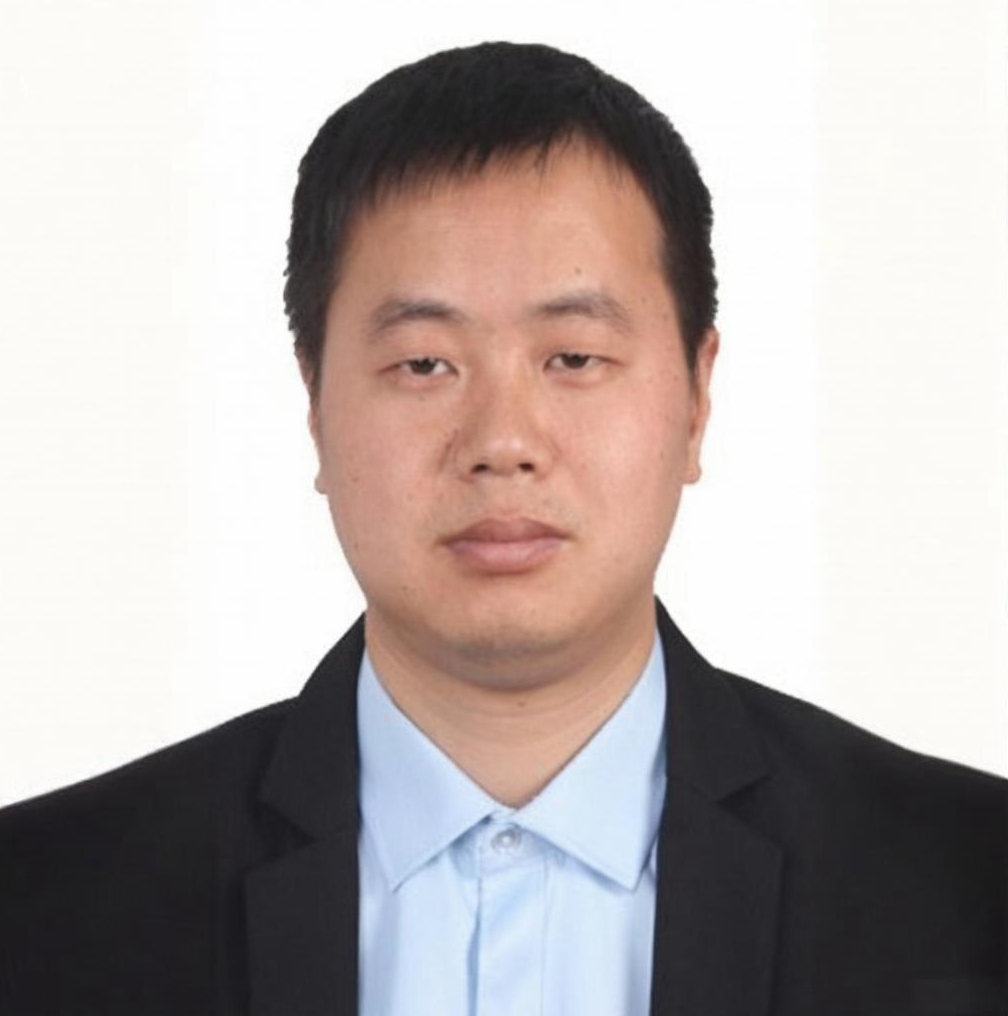
Doctor of Business Administration from Shanghai Jiao Tong University, Postdoctoral Fellow in Management Science and Engineering. Specializes in areas such as organizational creativity and organizational innovation, as well as employee creativity and innovative behaviors. Currently serves as the director of the New Economy and Entrepreneurship Research Institute of the School of Business Administration.
Ph.D. in Economics from Shanghai University of Finance and Economics. Currently, he is the director of the Comprehensive Office of the Institute of Finance and Artificial Intelligence of Ningbo University of Finance and Economics. His main research field is the application of artificial intelligence technology in the fields of finance and insurance.
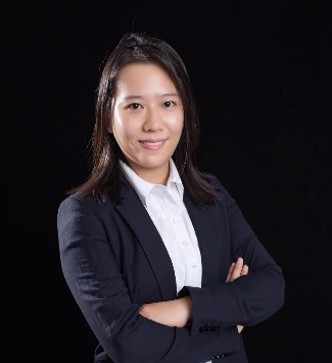
Dr. Lin HUANG is an Assistant Professor in Entrepreneurship at the Nottingham University Business School China. She holds a Ph.D. in Business (System Management and Strategy), an MSc in Accounting and Finance, and a BA (H) in Accounting and Finance.
Her current research interests are primarily in the pedagogy of innovation and entrepreneurship education, the effectiveness of Project-based Learning, and the intersection of traditional culture with business innovation.
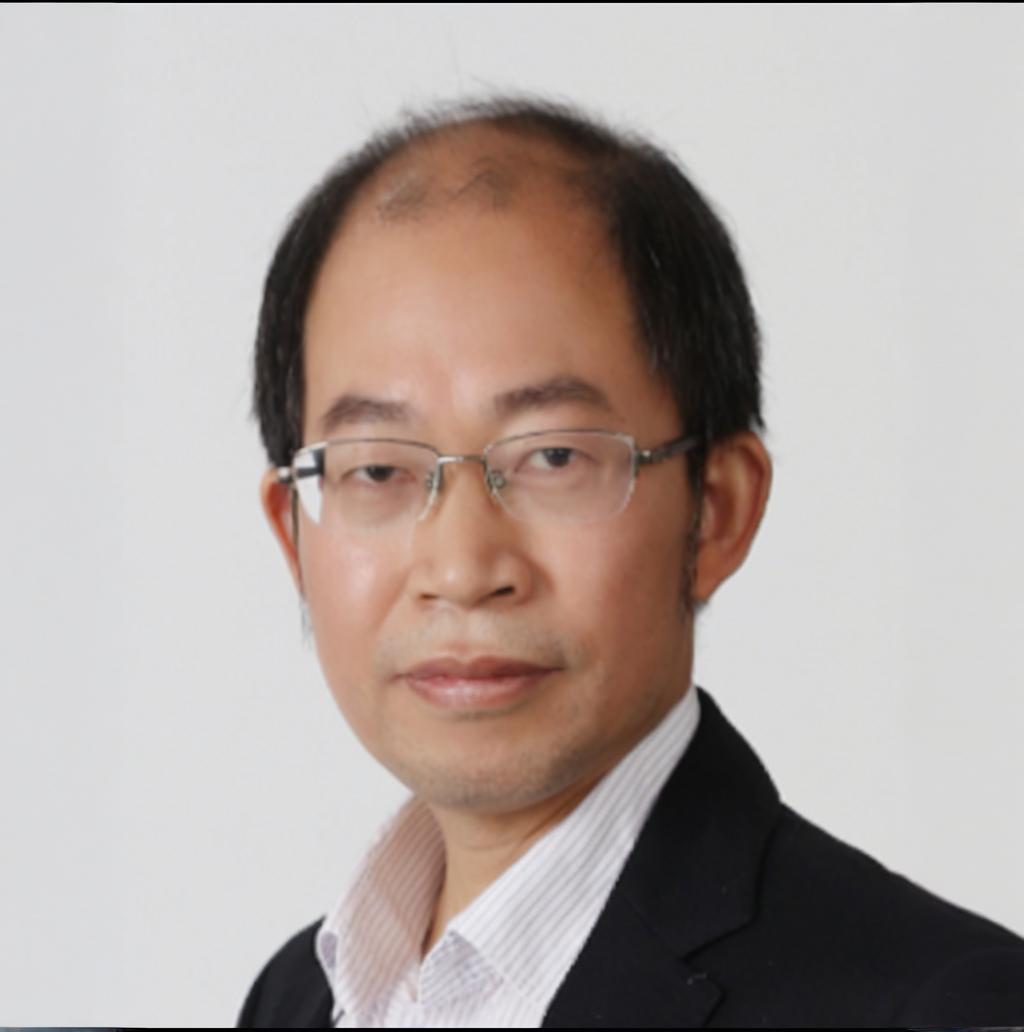
In 2000, he graduated with a doctorate from the Department of Probability Theory and Mathematical Statistics at Central South University, specializing in Mathematical Finance. In 2016, he joined Southern University of Science and Technology full-time and was selected as a long-term distinguished professor under the Pengcheng Scholars Program (Finance). Currently, he is a tenured professor in the Finance Department of the Business School at Southern University of Science and Technology.
Research fields: Financial theory, mathematical finance, financial engineering, quantitative finance, technology finance, venture capital, private equity, asset securitization, financial contract theory and application, artificial intelligence finance, etc.
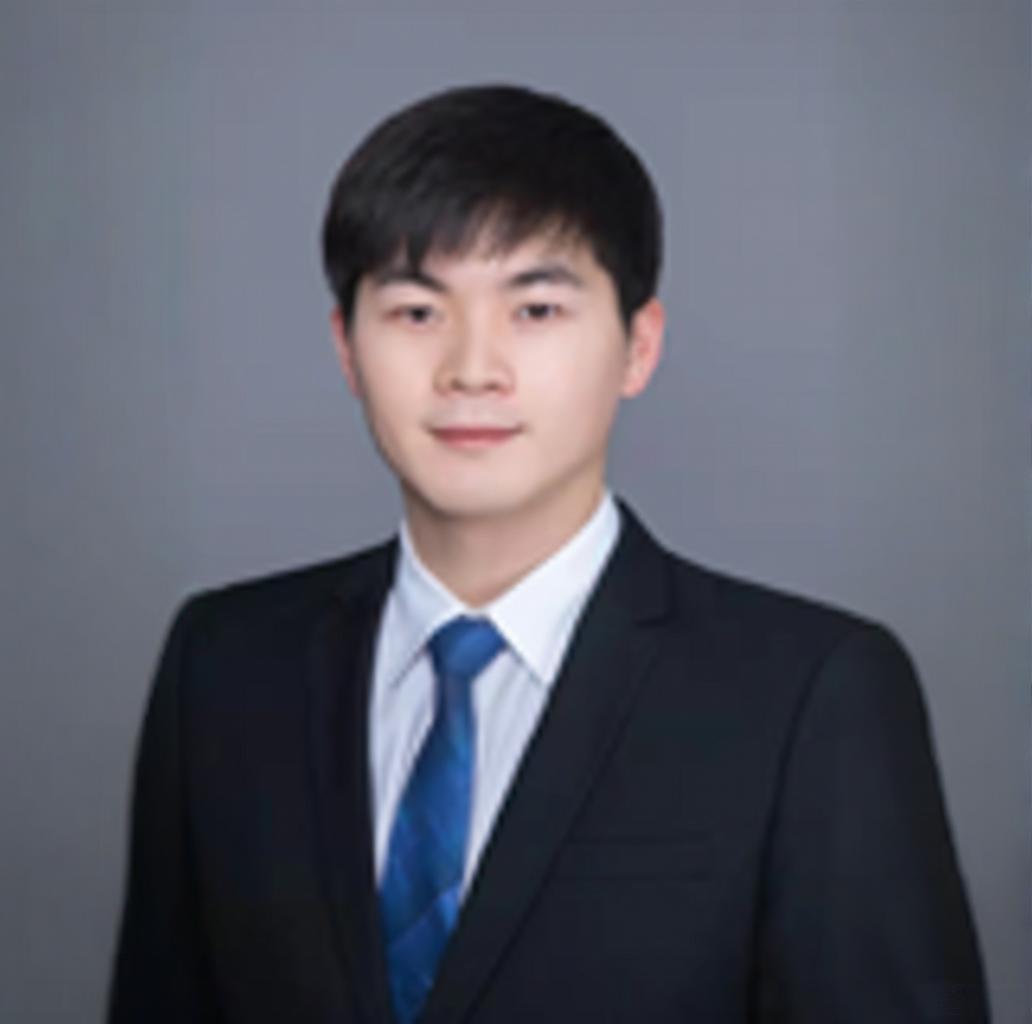
Currently an assistant researcher at the Institute of Finance and Artificial Intelligence. The current main research direction is the intersection of physics and finance, focusing on the application of physics models and research methods in the financial field. Leveraging his own research experience in high-energy physics, model construction, and mathematical skills, he is dedicated to cross-disciplinary research on quantum field theory and the financial domain, applying quantum physics-related theories to the financial sector and conducting research from new dimensions and perspectives in finance.

Joined the Business School of Southern University of Science and Technology in 2020 and is currently an assistant professor there. Currently, the research focuses on the commercial/innovation ecosystem, regional development, industrial upgrading, and enterprise digital transformation. The main research method is qualitative case study.